
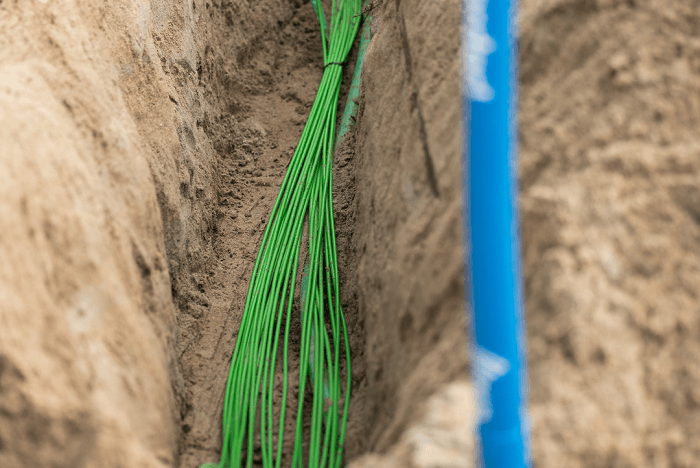
A broken or damaged cable or fiber
A common cause of a failure in a fiber-optic network is a broken or damaged fiber-optic cable. In such cases, the cable is broken in a way that prevents it from transmitting light, causing the connection to be completely lost. It is also possible that not the entire cable is broken, but only one or more fibers within the cable. This can happen in several ways:
- An excavation incident: It often happens that fiber-optic cables are damaged when they are accidentally struck by an excavator or during other construction work.
- Rodents: Fiber-optic cables aren’t just damaged by excavators—rodents can cause damage too. Since the cables are buried underground, mice or rats are bound to find them at some point. Fortunately, there are ways you can protect your fiber-optic cables from rodents.
Fiber-optic outage caused by dirt or moisture in the cables
Dirt or moisture is also a common cause of fiber optic network outages, but this cause is often overlooked or even underestimated. Yet it is the most common cause of fiber optic outages; in fact, about 70% of outages in a fiber optic network are caused by dirt or moisture. There are several ways in which dirt or moisture can enter the network or get onto a connector:
- Dusty environment: If fiber optic cable is located in a dusty environment, dust particles can settle on the connector. This can significantly affect network performance and even cause a malfunction.
- Exposure to water: If a fiber-optic cable is exposed to water for too long and is not water-resistant, moisture may eventually penetrate the cable. You can prevent this by carefully assessing in advance whether the cables might come into contact with water. If the answer is “yes,” you can opt for special fiber-optic cables designed to be water-resistant.
Micro- and macro-bending
It is also possible that some light gets through, but not in the required amount. This results in lower power. This loss of power is also referred to as “attenuation.” If attenuation becomes too high, it can lead to malfunctions, so it is advisable to take action in a timely manner to prevent such issues. In cases of attenuation, the cable is not broken or damaged. The cause often lies in a bend the cable must make, which may be just too sharp. As a result, light could escape from the fiber at the bend. A distinction is made here between micro- and macro-bends. Macro-bends are bends visible to the naked eye, while micro-bends are bends that can only be seen with a microscope. Micro bends are often the result of a manufacturing defect in the cables, and unfortunately, there is little that can be done about this. This is one of the things we always check our products thoroughly for before they are shipped to the customer, to prevent any malfunctions. Fortunately, there is a solution for macro bends: reducing the bends in the cables or making them less sharp. If that doesn’t work, you can use special fiber-optic cables that have a smaller minimum bend radius.
An error during cable termination
Finally, the cause of a fiber-optic fault may lie in an error during the termination of the fibers. Attenuation can quickly become too high during fusion splicing, which reduces the quality of the cable. All steps in the splicing process must be performed properly and carefully, but of course you cannot verify this yourself if you purchase the cables from a third party. This also applies to the termination of the fiber optic connectors—essentially, the bonding of the fibers. Before bonding and splicing, it is important to test the connection using an OTDR. An OTDR measurement is also an effective way to detect a fiber optic fault. We always check this carefully before shipping our products!
What is a fiber-optic network?
Fiber optics transmit digital information through wafer-thin glass fibers using laser light. This results in much faster download and upload speeds. The way a fiber-optic network transmits information can be compared to Morse code signaling. Fiber optics transmit digital information using laser light, just as Morse code does by flashing a light. Fiber optics flashes the laser light at lightning speed; the faster it goes, the faster the information is transmitted. The fiber-optic modem then converts the light signals into a usable signal for the internet, phone calls, and television.
The benefits of fiber-optic internet
If you get your internet connection via fiber optics, there are many benefits:
- Lightning-fast internet: When you choose fiber optic internet, you’re choosing the fastest network in the Netherlands. Most providers offer speeds of up to 8,000 Mbps.
- Faster downloads and uploads: A fiber-optic connection offers download and upload speeds that are equally fast. This means you have what’s known as a “symmetrical connection.” That’s a major advantage, because with other types of connections, the upload speed is significantly lower than the download speed. Do you have your own YouTube channel, for example? Then having a high upload speed is ideal!
- A stable connection: If you use a fiber-optic connection, you’ll always have access to the network’s maximum speed. Nothing affects the stability of your internet connection—not your neighbors, not the weather, and not other electronic devices.
- Lower energy consumption: A fiber-optic connection uses less energy than other types of connections. That’s certainly a nice bonus these days. Fiber-optic technology consumes less energy because it uses laser light rather than electricity. In addition, research shows that fiber-optic network equipment is 60% more energy-efficient.
- More freedom: In the Netherlands, the fiber-optic network is open to other providers. In principle, any provider can offer its plans here, giving you, the consumer, more freedom of choice.
Does fiber optics have any drawbacks?
Fiber optics has more advantages than disadvantages, but that doesn’t mean there aren’t any downsides at all. Connecting a TV via a fiber-optic network is a drawback that’s often mentioned. To do this, you need a network cable between your modem and your TV. Most people have coaxial cabling in their homes, but no UTP network. Fortunately, there are a number of solutions to connect your TV to your fiber-optic connection. Another disadvantage of fiber-optic internet is its limited availability in the Netherlands. Currently, about 40% of people in our country still do not have access to a fiber-optic connection. Finally, a fiber-optic connection is generally more expensive than other types of internet connections. On the other hand, you do get faster and more stable internet!
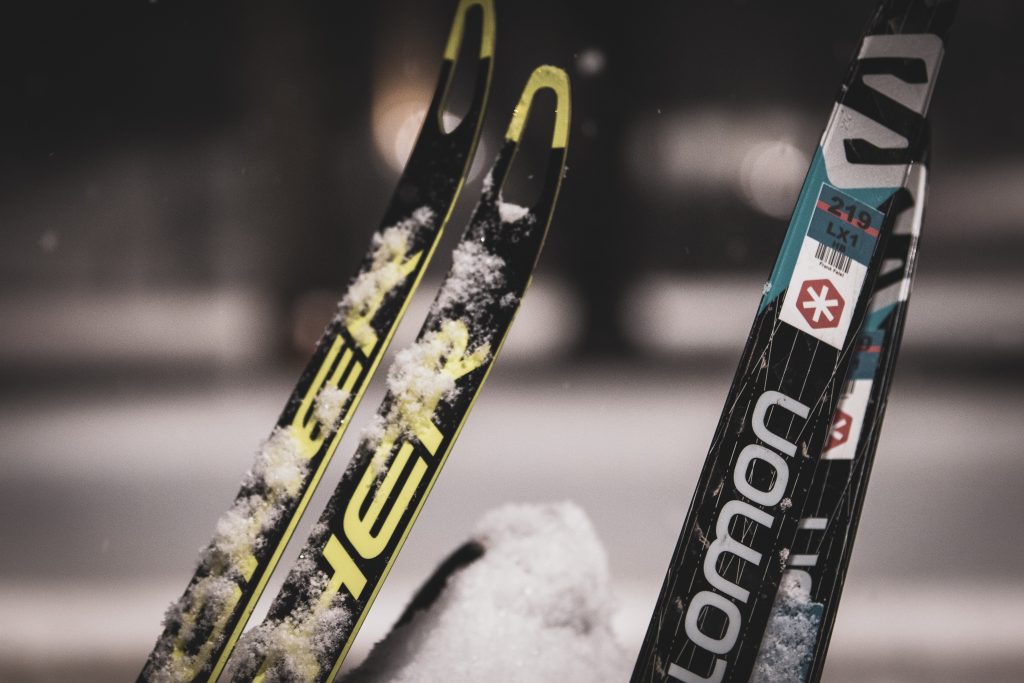
Items that incorporate fiberglass
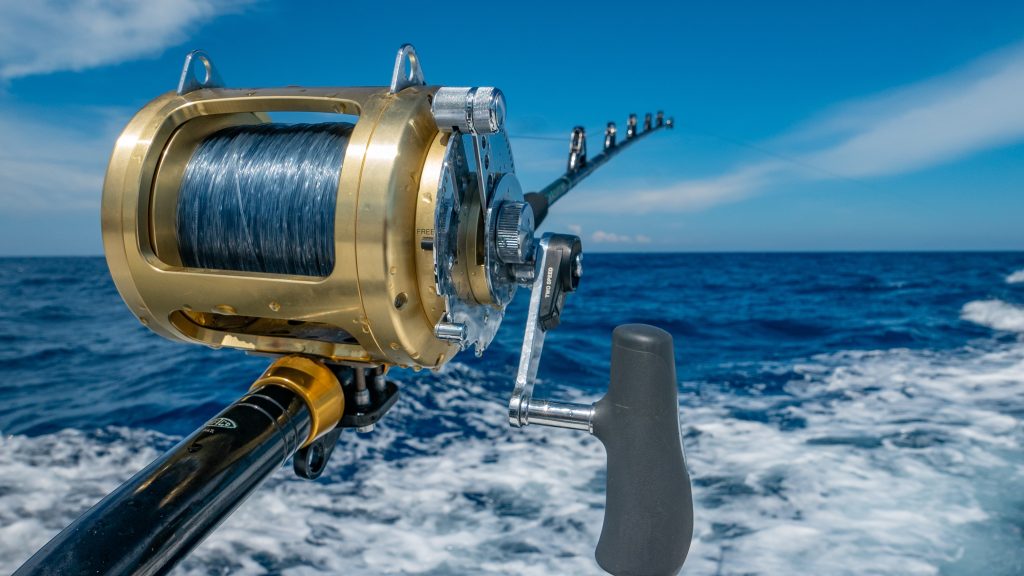
Of course, we know that fiberglass is used to make the cables that allow us to set up a fiber-optic internet connection, but that’s not the only thing the material is used for. Fiberglass is incorporated into many products that need to be strong yet remain flexible. Think, for example, of items such as skis, brake pads, and fishing rods.
- Skis: Skis are, of course, primarily made of wood, but this isn’t the only material used. A ski consists of a huge number of layers, often combining different types of wood. To make a ski stiffer, a layer of fiberglass or metal is sometimes added.
- Brake pads: We also frequently encounter fiberglass in brake pads. Brake pads work by generating friction. In the past, asbestos was widely used as a friction material, but today we naturally try to avoid it. Nowadays, we opt for alternatives such as fiberglass, Kevlar, and mineral components.
- Fishing Rods: Fishing rods can be made from a variety of materials, and fiberglass is one of them. Fiberglass rods offer great precision, are the most resistant to the impact of fish, and are the least likely to bend.


Applications of fiber optics in the home
Fiberglass can also be used in various ways in and around your home, aside from the fiber-optic cables you can install for your internet connection. For example, you can use fiberglass to insulate your home. Glass wool is a popular insulation material, providing both thermal and sound insulation. Glass wool is made from glass fibers. There is also fiberglass wallpaper, which is stronger than regular wallpaper and therefore better protects your walls. This is why it’s a popular choice when it comes to wallpaper. So there you have it: fiberglass is used for more things in the home than you might think!
Fiber-optic cables as sensors
Fiber-optic cables are used not only for internet connections but also as sensors. With fiber-optic sensors, engineers can monitor levees, detect undersea earthquakes, transmit energy, and even “listen.” The use of fiber-optic cables as sensors is also known as “fiber sensing.” The cables are used to detect vibrations, temperature changes, and stretching or contraction. Fiber optics can detect changes with extreme precision, even at nearly the molecular level. This means fiber optic cables allow for super-accurate measurements. So, as you can see, there are far more applications for fiber optics than you might think!