


Today, fiber optics is best known for the cables that provide faster and more stable internet connections, but the material is also used for many other purposes. Fiber optics actually consists of hair-thin glass fibers, as the name suggests. It is an extremely strong material with various applications and is used in more places than you might think. In this article, we’ll discuss the other applications of fiber optics!

Items that incorporate fiberglass
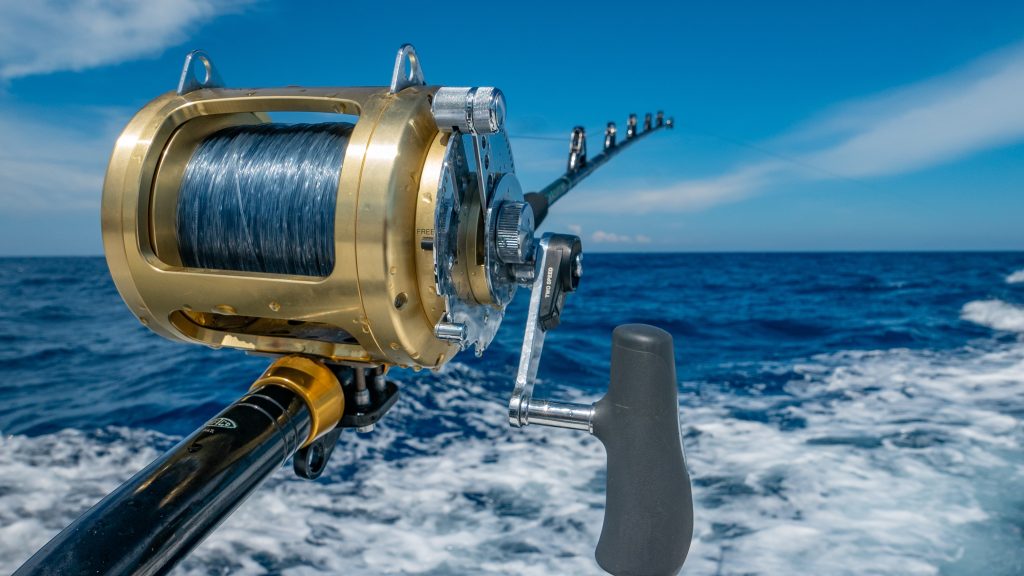
Of course, we know that fiberglass is used to make the cables that allow us to set up a fiber-optic internet connection, but that’s not the only thing the material is used for. Fiberglass is incorporated into many products that need to be strong yet remain flexible. Think, for example, of items such as skis, brake pads, and fishing rods.
- Skis: Skis are, of course, primarily made of wood, but this isn’t the only material used. A ski consists of a huge number of layers, often combining different types of wood. To make a ski stiffer, a layer of fiberglass or metal is sometimes added.
- Brake pads: We also frequently encounter fiberglass in brake pads. Brake pads work by generating friction. In the past, asbestos was widely used as a friction material, but today we naturally try to avoid it. Nowadays, we opt for alternatives such as fiberglass, Kevlar, and mineral components.
- Fishing Rods: Fishing rods can be made from a variety of materials, and fiberglass is one of them. Fiberglass rods offer great precision, are the most resistant to the impact of fish, and are the least likely to bend.


Applications of fiber optics in the home
Fiberglass can also be used in various ways in and around your home, aside from the fiber-optic cables you can install for your internet connection. For example, you can use fiberglass to insulate your home. Glass wool is a popular insulation material, providing both thermal and sound insulation. Glass wool is made from glass fibers. There is also fiberglass wallpaper, which is stronger than regular wallpaper and therefore better protects your walls. This is why it’s a popular choice when it comes to wallpaper. So there you have it: fiberglass is used for more things in the home than you might think!
Fiber-optic cables as sensors
Fiber-optic cables are used not only for internet connections but also as sensors. With fiber-optic sensors, engineers can monitor levees, detect undersea earthquakes, transmit energy, and even “listen.” The use of fiber-optic cables as sensors is also known as “fiber sensing.” The cables are used to detect vibrations, temperature changes, and stretching or contraction. Fiber optics can detect changes with extreme precision, even at nearly the molecular level. This means fiber optic cables allow for super-accurate measurements. So, as you can see, there are far more applications for fiber optics than you might think!